
Emergency Roof Leak Repair For Home Protection
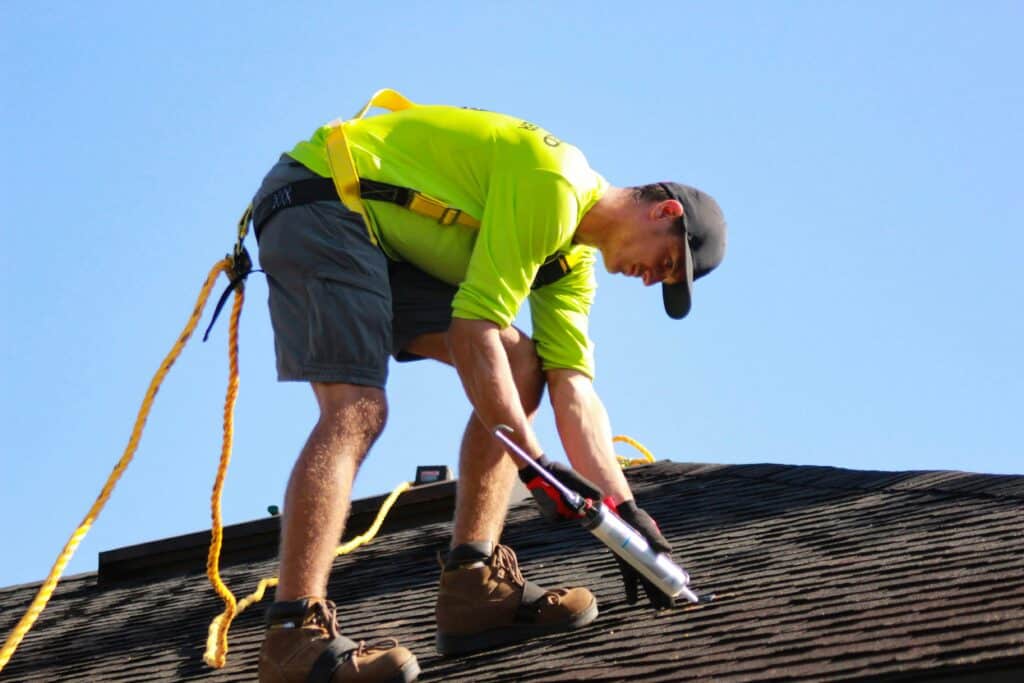
Homeowners become uncomfortable when hearing a dripping sound from the ceiling during a storm. Whether it is a sudden hail event rolling through Westerville, Ohio, or a late-night thunderstorm that sends water pouring through a cracked or missing shingle, a roof leak does not wait for a convenient time. It strikes fast, spreads faster, and if you do not act immediately, what starts as a small puddle in your living room can spiral into structural damage, mold growth, and thousands of dollars in losses.
This blog is your complete guide to emergency roof leak repair — what it means, when you need it, how to handle the first critical minutes, and how to choose a trusted local roofing contractor in the Westerville, Ohio metro area who will treat you right and get your home protected as fast as possible. We have built this resource using insights drawn from real roofing emergencies, competitor intelligence, and deep knowledge of what Ohio homeowners face season after season.
If your roof has failed, keep reading. Every minute counts.
When You Need Emergency Roof Repair and What to Do First
Not every roof issue qualifies as an emergency, but when damage begins threatening the interior of your home or the structural integrity of the building itself, it absolutely does. Knowing the difference between a problem you can monitor and one that demands immediate response could save your family, your belongings, and your property value.
Signs You Are Facing a True Roofing Emergency
The following situations require you to call an emergency roofing contractor without delay:
Sign No 1: Falling water drops into your home during or after a storm is the clearest signal. A small leak can damage your interior within a short span of time if left unaddressed. When you see brown spots or water stains spreading across your ceiling or walls, bubbling paint on drywall, or water dripping near electrical outlets, light fixtures, or wiring, you are dealing with an emergency.
Sign No 2: Blown-off or missing shingles after high winds expose your underlayment and wood decking to rain and UV rays. This is not just a cosmetic issue. Once your underlayment is exposed, water will find its way in, and rot and decay begin almost immediately.
Sign No 3: Sagging or collapsing roof sections indicate water-saturated materials or structural rot in your deck, joists, or beams. A sagging roof is a roof on the verge of collapse, and no one should be inside that area until a professional has assessed it.
Sign No 4: Fallen trees or branches that have landed on your roof can crack shingles, damage support structures, or punch holes clean through to your attic. The impact from even a mid-sized limb during an Ohio storm can be devastating.
Sign No 5: Cracked flashing around chimneys, vents, pipe vents, or skylights allows water to seep directly into your home. Flashing is one of the most common entry points for leaks, and when it fails during a heavy rain, the result is swift and damaging.
Sign No 6: Ice dams forming along your roof edge during Ohio winters trap melting snow behind a frozen barrier. Water slowly rinses under your shingles and ultimately into your home, causing insulation damage, moisture, and eventually mold.
Sign No 7: Lightning strikes, though uncommon, can blow holes in a roof or ignite attic fires. If your home is hit, inspect your attic immediately for scorching, smoke, or sudden leaks.
Sign No 8: Pest or animal infestations — including squirrels, raccoons, and birds — can chew through roofing materials, create entry points, and build nests that block vents and trap moisture. This, with the passage of time, becomes a major structural issue.
Sign No 9: Extreme mold growth in your attic or on ceilings is a sign that a leak has been present long enough to create a serious health and structural problem.
What to Do When You First Know About Roof Leaking
Here is exactly what to do:
Stay calm and prioritize household safety. Keep everyone away from ceiling leaks, sagging areas, and anywhere water is pooling near electrical cords, outlets, or your electrical panel. Shut off the power supply to avoid any mishap, if you can do so safely.
Place buckets, towels, and any large waterproof containers directly under drips to protect your floors and furniture. If you see a bulge on your roof ceiling, place a bucket beneath it and puncture that bulge with the screwdriver.
Move valuables and electronics. Relocate fragile items, artwork, documents, laptops, televisions, rugs, and other valuables away from the affected area. Water damage happens fast, and early action here prevents unnecessary loss.
Document everything. Before touching anything else, grab your phone and photograph every angle — ceiling stains, damp spots, damaged items, visible holes or cracks, and anything unusual you notice on the roof from the ground. Call your insurance representative and present the documented evidence to avoid last-minute hassle. You can also show the documented evidence to your roofing contractor so he can assess the damage more accurately.
Call a professional emergency roofer immediately. This is not a situation for a DIY patch unless you have experience and the conditions are genuinely safe. A non-reputable contractor who shows up unsolicited after a storm and starts nailing huge tarps onto your roof or damaging your shingles while supposedly inspecting can make things dramatically worse. Call a respected, licensed, bonded, and insured local contractor you can trust.
Never climb onto a wet or storm-damaged roof. You may face serious injury through slippery, compromised, unstable surfaces. Even experienced roofers use safety harnesses, gloves, goggles, and take every precaution.
How Emergency Roof Leak Repair Helps Prevent Serious Damage
The reason emergency roof leak repair exists as a distinct service category is simple: time is everything. Every minute a leak goes unaddressed, water is traveling along rafters, soaking through insulation, saturating drywall, and creating the perfect environment for mold and mildew to establish themselves — sometimes within just 24 to 48 hours.
The Cascade of Damage a Delayed Repair Causes
When roof leak repairs are delayed, a localized problem rapidly becomes a whole-home crisis. Here is what that progression looks like:
Water infiltration begins at the entry point — typically a cracked or missing shingle, failed flashing, a gap around a skylight or chimney, or a clogged gutter causing overflow along your roof edge. From there, water travels along roof sheathing, decking, and rafters, appearing on your ceiling or walls far from where it entered. Insulation becomes water-saturated, losing its effectiveness and adding significant moisture weight to your ceiling structure. Wood begins to warp and develop rot. Drywall bubbles, peels, and eventually deteriorates entirely.
Mold growth begins. Mold is not just an aesthetic problem — it is a health hazard that requires professional remediation, which is exponentially more expensive than a timely roof repair. In Ohio’s heavy and humid summers and wet fall seasons, mold can spread through an attic with alarming speed. Structural damage accelerates. Beams, joists, and support structures weaken as rot and decay progress. What began as a localized storm damage repair can become a full roof replacement or even threaten the foundation of the home.
Electrical hazards intensify. Water traveling inside walls can reach wiring, outlets, fixtures, and your electrical panel, creating serious fire and electrocution risks. Pest and animal infestations take advantage of compromised entry points. Squirrels, raccoons, birds, and other pests find holes and gaps that storm damage creates, moving into your attic and compounding the structural issues.
The bottom line is this: emergency roof leak repair is not an overreaction to a stressful situation. This is the first action you should take when water is entering your home through a leaking roof. An experienced team that can assess the problem, identify the source, and begin restoration immediately can be the difference between a minor repair bill and a catastrophic one.
Why Temporary Roof Repair Is Important Before a Permanent Fix
In many emergency situations, a permanent repair cannot happen on the same day. Storm-damaged roofs may need to dry out. Hail damage inspections may need to be completed before repair work begins so that insurance documentation is accurate. Adverse weather events may make it unsafe for even the most experienced roofers to go up on a wet roof.
It is advised that you start with temporary roof repair, which plays a critical and often undervalued role. Think of it as first aid for your roof — a stop-gap measure designed to prevent additional water from entering your home while a permanent fix is being planned and scheduled.
Tarp Installation
Most people prefer a heavy-duty waterproof tarp because it is widely used as a temporary solution. The key is proper installation: the tarp must extend well beyond the damaged area, ideally starting higher than the leak and draping over the roof’s ridge so that gravity naturally directs water away from the vulnerable spot. It should be secured with wood planks wrapped in cloth — not nails or staples, which only create additional holes for water to seep through. A properly installed tarp from a professional roofing crew can hold up through several storms while a permanent repair is arranged.
Roofing Cement and Sealant
For smaller cracks, gaps, or areas where flashing has separated, roofing cement or a waterproof sealant applied with a putty knife creates a watertight seal that holds temporarily. Self-adhesive flashing tape can be pressed firmly over cracks in metal flashing around chimneys, pipe vents, or skylights to stop water infiltration quickly. Roofing caulk is effective around rubber boots on vent pipes and other penetration points where seals have deteriorated.
Emergency Shingle Patching
When a shingle is curling at the edges or a small section has been blown off, a sheet metal patch or a new shingle slid under the row above the gap creates a barrier that directs water over the hole. A careful application of roofing cement holds it in place temporarily without causing further damage to surrounding shingles.
What to Avoid in Temporary Repairs
Avoid duct tape, which fails quickly when exposed to UV rays and rain. A quick check is to never patch a leak from the interior of your roof, because water running along the roof decking will find and rinse through another entry point. Avoid driving random nails into damaged areas, as you are more likely to create new holes than solve the existing problem.
The goal of temporary roof repair is to buy your professional roofing contractor the time they need to do the job correctly, without cutting corners and without exposing your home to further risk.
When to Call for a Roof Tarp Repair Service After Sudden Damage
Roof tarp repair service is one of the most requested emergency roofing services across Westerville and greater Ohio — and for good reason. When sudden damage from a storm, fallen tree, hail, lightning strike, or heavy wind event leaves a portion of your roof exposed, a professionally installed tarp is the fastest line of defense available.
Situations That Demand Immediate Tarp Installation
Call for tarp installation immediately if:
- Your roof has holes from a fallen branch or tree limb and rain is forecast within the next 24 hours. Exposed wood decking absorbs water rapidly and begins to rot and decay faster than most homeowners expect.
- Large sections of shingles have been blown off by high winds or a thunderstorm, leaving your underlayment — or worse, bare decking — visible and unprotected.
- A chimney has partially collapsed, leaving a gap in your roof structure that no amount of sealant can temporarily close.
- Fire damage has burned through roofing materials, sheathing, or support beams, creating an opening that will worsen with any precipitation.
Ice dam damage has torn away sections of shingles and flashing along your roof edge during an Ohio winter, and temperatures are not expected to rise for several days.
How a Professional Tarp Service Works
A trusted roofing contractor offering emergency tarp service will arrive quickly — ideally within hours — assess the damage, identify all vulnerable areas (not just the obvious ones), and install a heavy-duty waterproof tarp that is large enough to genuinely protect your home. They will secure it in a way that can withstand additional wind and rain without becoming a hazard itself.
What separates a professional tarp installation from a DIY attempt is thoroughness and safety. An experienced roofer uses proper safety equipment, knows how to identify secondary damage points that a homeowner might miss from the ground, and secures the tarp in a way that does not cause additional damage to your shingles or flashing.
Be cautious of non-reputable roofers who appear at your door unsolicited after a storm event. Storm chasers often offer fast tarp services but use predatory pricing, perform shoddy work, and may actually cause more damage than they fix. It is highly advised to hire a licensed, insured, and respected local roofing contractor before allowing work to begin.
How Emergency Industrial Roof Repair Keeps Operations Running
Industries usually face harsher challenges than homes when emergencies strike. A leak or structural failure on an industrial roof does not just threaten the building — it threatens products, equipment, facilities, and the livelihoods of everyone who depends on those operations continuing without interruption.
Industrial roofs — whether flat, low slope, metal, or large-span commercial systems — are exposed to the same Ohio storms, hail, wind, UV rays, and ice dam conditions that affect residential properties. But the consequences of delayed repair at the industrial scale are often far more severe.
Common Industrial Roof Emergencies
Ponding water on flat or low slope industrial roofs is one of the most common emergency triggers. Clogged downspouts and drainage systems cause water to pool across large surface areas, adding enormous weight to a roof structure that is not designed to bear it. This can cause sagging, decking failure, and in extreme cases, collapse.
Storm damage to metal roofing systems — including dents from hail, blown panels, or torn flashing — can expose vast interior spaces to rain, threatening equipment, inventory, and the structural integrity of the entire building.
Worn or age-related membrane failures on commercial and industrial systems occur when materials have reached the end of their lifespan. When a membrane fails during inclement weather, the result can be widespread water infiltration across an entire floor.
Fire damage, lightning strikes, or fallen structures from neighboring buildings can cause immediate and catastrophic holes in industrial roofs that demand same-day attention.
Why Immediate Response Matters for Industrial Properties
Every hour of delayed emergency roof repair on an industrial property multiplies the financial exposure. Equipment gets damaged. Products are ruined. Operations shut down. Workers cannot safely perform their jobs. Depending on the nature of the facility, regulatory and insurance compliance issues may also arise from failure to act promptly.
An emergency roofing crew with industrial experience will arrive with the right tools, materials, and expertise to stabilize the situation — installing tarps, waterproof barriers, roofing cement, or metal panel replacements as needed to keep the building operational while a comprehensive restoration process is planned.
Why Businesses Need Urgent Commercial Roof Damage Repair
Commercial roof damage affects more than just the building. It affects your customers, your employees, your inventory, and your reputation. For commercial property owners and business operators in Westerville and across Ohio, having an emergency roofing contractor on call is not a luxury — it is a business continuity necessity.
The Most Common Commercial Roofing Emergencies
- Hail damage to commercial roofs is exceptionally common across Ohio. Hail can crack Clay Tile, dent Metal systems, bruise Asphalt Shingle surfaces, and damage flashing across large roof areas. The challenge with hail damage is that it is not always immediately visible — but it compromises waterproofing and structural integrity in ways that become apparent only when the next significant rain event hits.
- Wind damage — including blown-off membrane sections, torn flashing, or displaced Slate or Tile panels — can expose large areas of a commercial roof to water infiltration within minutes of a storm.
- Flat roof drainage failures are another leading cause of commercial roof emergencies. When gutters and downspouts become clogged with leaves, twigs, and organic matter, water pools on flat surfaces, accelerating membrane deterioration and eventually causing leaks that travel through insulation, decking, and ceilings into occupied spaces.
Structural compromise from prolonged moisture exposure — leading to rot in wood support structures, sagging roof sections, or brittle membrane systems — often manifests suddenly as a visible emergency even though the underlying damage developed gradually over months or seasons.
The Cost of Ignoring Commercial Roof Damage
The financial argument for urgent commercial roof damage repair is straightforward. Cost for minor storm damage may vary from a few hundred to a few thousand dollars. The same damage left unaddressed for weeks or months can result in widespread insulation replacement, decking remediation, mold abatement, drywall restoration, equipment replacement, and potential liability for a business whose customers or employees were harmed by a structural failure.
Commercial roofing contractors who specialize in emergency response understand this calculus. They offer 24/7 availability, immediate response, and the ability to work quickly and safely to minimize operational disruption. They are also well-versed in filing insurance paperwork, working directly with insurance adjusters, and helping commercial property owners get covered for storm damage, hail, wind, and other qualifying adverse events.
For Westerville businesses, partnering with a licensed, bonded, insured, and OSHA-certified commercial roofing team is the most reliable way to ensure your property and operations are protected year-round.
Understanding Emergency Roof Repair Cost and What Affects Pricing
One of the first questions homeowners and commercial property operators ask when facing an emergency is: how much is this going to cost? The honest answer is that emergency roof repair cost varies significantly based on a range of factors — but understanding those factors will help you make informed decisions quickly and avoid being taken advantage of during a stressful situation.
Key Factors That Influence Emergency Repair Pricing
Type and extent of damage is the single biggest cost driver. A localized repair to a small section of missing shingles or a cracked pipe flashing will cost far less than repairing a sagging roof deck, replacing large sections of underlayment, or addressing structural damage to beams and joists.
Roof type and materials matter significantly. Asphalt Shingle repairs are generally the most affordable. Cedar Wood Shake, Slate, Clay Tile, Copper, and Metal roof repair require specialty knowledge and often outdated or harder-to-source materials, particularly on Historical, Vintage, Institutional, or Church roofs. A nationally-respected roofing contractor with access to a large vintage tile and slate inventory can often source matching materials faster and at better costs than a generalist.
Roof size and its slope are two main factors that can affect labor cost and risk. Steep slope systems require more safety equipment, additional crew members, and more time to navigate safely. Flat or low slope commercial systems often involve different materials and application methods that affect pricing differently.
Emergency timing adds a premium. 24/7 emergency roofing services by definition mean that contractors and crews are being dispatched outside normal business hours, on weekends, or during peak storm seasons when demand for emergency services is highest. That availability comes at a cost, but it is generally far less than the cost of delayed repair.
The cost for roofing is also dependent on geographic location and accessibility to the roof. A roof that is easily accessible from a standard ladder will cost less to work on than one requiring special equipment or scaffolding.
Insurance coverage can save your hard-earned money by reducing roofing costs. Storm damage, hail, wind, fallen trees, and lightning strikes are typically covered under homeowner’s insurance policies. A professional roofing contractor who is experienced in insurance claims can help you document the damage, file your claim accurately, and work with insurance adjusters to ensure you receive the coverage you are entitled to. Always get a free estimate and a clear upfront breakdown before authorizing any work.
Temporary versus permanent roof repair pricing differs as well. A tarp installation or emergency sealant application will be priced as a temporary fix, while a full restoration or roof replacement in Westerville specifically and throughout Ohio generally follows a separate, more comprehensive estimate process.
What a Fair Emergency Roofing Estimate Looks Like
A reputable emergency roofing contractor will provide a clear, written estimate that identifies the source of the leak, describes the repair solution in plain language, breaks down materials and labor costs separately, outlines what is temporary versus permanent, and explains the timeline for completing a full restoration. If a contract becomes reluctant to provide this upfront, it may be a red flag. Respected local contractors treat homeowners with transparency and never pressure you into authorizing more work than you actually need.
Choosing a Reliable Emergency Roof Repair Service Near You
In a roofing emergency, you usually don’t have enough time to research dozens of roofing contractors. Please make a quick decision about whom to call and why you can trust them. Here is how to evaluate an emergency roof repair service quickly and confidently.
Look for These Non-Negotiables
- Licensing and insurance are the baseline. Any contractor working on your roof in Ohio must be licensed and carry appropriate liability insurance and workers’ compensation coverage. Bonded and OSHA-certified Ohio roofing contractor provides an additional layer of assurance that they operate to professional safety and quality standards.
- 24/7 availability is essential for a genuine emergency roofing provider. Roof emergencies do not follow business hours, and a contractor who only responds during the week between 9 and 5 is not equipped to serve you when you most need it. Look for confirmed on-call availability and immediate response capability.
- Local presence matters more than most homeowners realize. A local roofing contractor based in or near Westerville, Ohio understands Ohio weather patterns — the heavy rain, high winds, hail, ice dams, summer heat, and monsoon-like late-summer storms that characterize the region. They know local building codes and regulations, have established relationships with local insurance companies, and have a community reputation to protect.
- Experience with your roof type is critical. Asphalt Shingle, Metal, Cedar Wood Shake, Clay Tile, Slate, Copper, Specialty, Vintage, and Historical roofs all require different expertise. A contractor who primarily does Asphalt Shingle work may not have the skills or materials inventory to address metal roofing properly. It is important to confirm the roofer about his experience for your roof issue.
- Transparent pricing and written estimates are hallmarks of a trustworthy contractor. You should never be pressured into signing anything during the emergency itself. A reputable team will stabilize the situation first, then provide a clear estimate for both temporary and permanent repair options.
- References, reviews, and reputation provide third-party validation. In Westerville and surrounding Ohio communities, word of mouth travels fast. Look for contractors with consistent positive reviews that specifically mention their emergency response quality, their honesty, and the durability of their work.
Insurance claim assistance is a significant value-add. Your emergency roofing contractor can assist you throughout your insurance process to ensure your claim is met. This is especially important after storm damage, hail, or wind events that affect entire neighborhoods simultaneously.
Red Flags to Avoid
Please be cautious with contractors who appear right after a storm and try to sell vague roofing services. These storm chasers are often non-reputable roofers who create artificial urgency, provide vague or inflated estimates, perform poor-quality work, and disappear before you can hold them accountable.
Avoid any contractor who says your roof is un-repairable without a thorough inspection and a second opinion. A respected local roofing expert will always opt for repair over replacement when that is genuinely in your best interest.
Never pay the full amount upfront. A reasonable deposit is standard, but full payment before work is completed gives you no leverage if the repair falls short.
Tips to Avoid Future Emergency Roof Repair Situations
The best emergency is the one that never happens. While you cannot control Ohio weather — the thunderstorms, hail, heavy rain, strong winds, and ice dams that come with the territory — you absolutely can control how prepared your roof is to withstand them. Maintaining your roof before harsh weather or a storm is the most effective action you can take to prevent future emergencies.
Schedule Annual Professional Inspections
Have your roof professionally inspected at least once a year — ideally in the fall before Ohio’s winter season begins, and again in the spring after the harshest weather has passed. A professional roof repair expert in Westerville can spot vulnerabilities that are invisible from the ground: curled or cracked shingles, deteriorating flashing sealant around chimneys, vents, skylights, and pipe flashing, early-stage mold in your attic, clogged gutters and downspouts, and areas where underlayment is beginning to wear.
Catching these issues early means addressing them with a minor repair rather than an emergency response. It also means you have documentation for insurance purposes showing your roof was properly maintained — which can be critical if you ever need to file a storm damage claim.
Trim Overhanging Tree Branches
Overhanging tree branches can seriously damage your roof, especially in storms. They rub against shingles during the wind, gradually wearing away the granules that protect against UV rays and water. During a storm, a falling branch or limb can cause catastrophic sudden damage. Please trim branches and remove any dead branches over your roof, as they can become projectiles in high winds. In Westerville, the late-summer and fall storm seasons are particularly notorious for tree limb damage.
Address Minor Issues Immediately
A single missing shingle can let rain into your home during the storm. Cracked flashing around a chimney might be easy to ignore until a winter ice dam forces moisture deep into your attic insulation. The rule is simple: when you spot something that does not look right — moss or algae growth, a damp spot on your ceiling, granules collecting in your gutters, peeling paint near a vent — address it immediately. Minor repairs cost a fraction of emergency responses and restoration projects.
Ensure Proper Attic Ventilation and Insulation
A well-ventilated attic keeps moisture from building up inside your roof structure. Balanced ventilation — with adequate intake at the eaves and exhaust at the ridge — prevents wood rot, mold growth, and the formation of ice dams in winter. Proper insulation keeps heat from escaping through the roof and melting snow unevenly, which is one of the primary causes of ice dam formation in Ohio winters. If your attic smells musty, has damp insulation, or shows dark stains on the wood, these are early warning signs that a larger problem is developing.
Treat Moss and Algae Growth
Moss and algae on shingles are more than aesthetic problems. Algae can eat away at shingle surfaces over time, while moss retains moisture against the roof surface, accelerating rot and decay. Zinc strips installed near the roof ridge help prevent regrowth. Appropriate cleaning solutions can address existing growth without damaging your shingles. If moss or algae has been present for years, have a professional assess whether shingle replacement is warranted.
Invest in a Roof Maintenance Program
Many respected roofing contractors in the Westerville and greater Ohio area offer structured roof maintenance programs that combine annual inspections, preventive repairs, gutter cleaning, and priority emergency response. For homeowners who want complete peace of mind, these programs represent outstanding value — significantly reducing the risk of unexpected emergency repair situations and extending the life of your roof by years.
Final Thoughts
An emergency roof leak is one of the most stressful experiences a homeowner or commercial property owner can face. It arrives without warning, demands immediate action, and carries real financial consequences if mishandled. But with the right knowledge, the right temporary response, and the right local roofing contractor in your corner, an emergency becomes a manageable problem rather than a disaster.
At Ohio Roofing Master, we serve Westerville and the surrounding Ohio metro area with 24/7 emergency roofing services that cover everything from tarp installation and emergency shingle repair to full storm damage restoration and insurance claim assistance. Our experienced, licensed, bonded, and insured team is ready to respond immediately when you need us most — with transparent pricing, upfront estimates, and a commitment to your home’s long-term protection.
Whether your roof has sustained hail damage, suffered wind damage, developed a chimney flashing failure, or taken a direct hit from a fallen tree, we are the trusted local contractor that Westerville homeowners and commercial property owners call when it matters most.
Call Ohio Roofing Master for a free estimate and immediate emergency roof repair response today.